
Every healthcare professional knows that seconds matter during cardiac emergencies. Basic Life Support (BLS) certification equips you with critical lifesaving skills that can mean the difference between life and death. Understanding the certification process and renewal requirements ensures you remain prepared to act when emergencies strike.
What is BLS Certification?
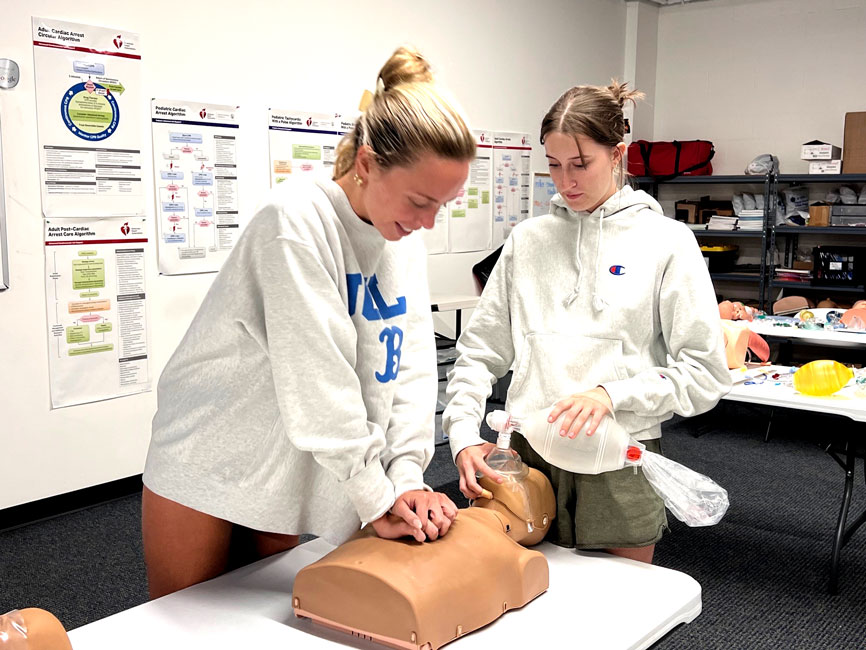
BLS certification trains healthcare providers to recognize life-threatening emergencies and respond effectively. The American Heart Association’s BLS course trains participants to promptly recognize several life-threatening emergencies, give high-quality chest compressions, deliver appropriate breaths and ventilations, and provide early use of an AED. The course reflects the latest 2025 Guidelines for CPR and Emergency Cardiovascular Care.
Healthcare professionals, including doctors, nurses, paramedics, EMTs, respiratory therapists, and dentists, require BLS certification. The training covers adult, child, and infant CPR, automated external defibrillator (AED) use, and foreign-body airway obstruction relief.
Why BLS Certification Matters: The Statistics Speak
The impact of BLS training extends far beyond professional requirements. Immediate CPR can double or triple the chances of survival after cardiac arrest. Current data reveal that approximately 350,000 out-of-hospital cardiac arrests occur annually in the United States, yet only 41.7% of OHCA adult patients receive bystander CPR.
Survival to hospital discharge after EMS-treated adult OHCA was 10.5%, and favorable neurologic survival was 8.2%. Bystander-witnessed adult arrests where bystander CPR was initiated had a 13.0% survival to hospital discharge compared with the 7.6% survival to discharge for unwitnessed arrests. These numbers demonstrate that trained healthcare providers make measurable differences in patient outcomes.
Research shows that survival chances decrease by 10% for every minute that immediate CPR and use of an AED are delayed. This stark reality emphasizes why maintaining current BLS certification remains essential for all healthcare professionals.
BLS Certification and Renewal: Understanding the Differences
What is the Difference Between BLS and BLS Renewal?
Initial BLS certification provides comprehensive training in all basic life support skills. New learners participate in full-length courses covering theory, demonstration, and hands-on practice. The initial certification typically requires 4-5 hours of classroom instruction.
BLS renewal courses offer a condensed format for previously certified healthcare providers. Renewal classes review core concepts and focus on skills refinement rather than introducing new material. Most renewal sessions are completed in 2-3 hours, making them efficient for busy healthcare professionals.
The American Heart Association offers multiple BLS course formats, including traditional classroom instruction, blended learning options combining online HeartCode BLS with hands-on skills sessions, and full in-person training. All formats result in valid certification upon successful completion.
Does BLS Need to Be Renewed Every Year?
BLS certification is valid for two years from the date of issue. This two-year standard applies across all American Heart Association training centers. The timeframe reflects research showing that critical lifesaving skills begin declining as early as 12 months after initial training.
Healthcare employers typically require active BLS certification as a condition of employment. Many facilities conduct routine certification audits, and expired credentials can result in work restrictions or employment complications. Staying ahead of expiration dates prevents these professional disruptions.
Smart healthcare professionals schedule renewal training 60-90 days before expiration. This buffer period accommodates unexpected scheduling conflicts while ensuring continuous certification status.
Steps for BLS Renewal: Your Complete Roadmap
Step 1: Check Your Expiration Date
Locate your current BLS certification card and note the expiration date printed on it. Mark your calendar with a reminder 90 days before expiration. The American Heart Association allows renewal up to 30 days after expiration, but letting certification lapse creates unnecessary complications.
Step 2: Choose Your Renewal Format
Healthcare professionals can select from several renewal pathways:
Traditional Classroom Renewal: Instructor-led sessions provide in-person skills practice and immediate feedback. These courses offer valuable face-to-face learning experiences and networking opportunities with other healthcare providers.
Blended Learning (HeartCode BLS): Complete cognitive content online at your own pace, then attend a shorter hands-on skills session. This format works well for professionals with demanding schedules or rotating shifts.
In-Person Full Course: Some providers prefer a comprehensive review even for renewal. Full courses offer extensive practice time and detailed instruction on all BLS components.
Step 3: Register for Your BLS Renewal Course
Contact an American Heart Association training center to schedule your renewal session. Verify that the training site offers courses aligned with the 2025 AHA Guidelines. Confirm course dates, times, location, and fees before registering.
Step 4: Review Course Materials
Refresh your knowledge before attending renewal training. Review chest compression techniques, rescue breathing procedures, AED operation, and choking relief protocols. This preparation maximizes your learning during the hands-on session.
Step 5: Complete Skills Assessment
Demonstrate competency in all required BLS skills during your renewal session. Instructors evaluate chest compression quality, proper AED use, effective ventilations, and team dynamics. Most training centers use automated manikin systems providing real-time performance feedback.
Step 6: Receive Your Updated Certification
Upon successful completion, receive your American Heart Association BLS Provider eCard immediately. The digital certification card includes your name, certification number, issue date, and expiration date. Store this card securely and make it easily accessible for employment verification.
What Happens When BLS Certification Expires?
Expired BLS certification creates several professional complications. Healthcare employers cannot permit staff with lapsed credentials to work in clinical settings. Many facilities place employees on unpaid leave until certification renewal occurs.
Your certification can only be renewed up to 30 days after expiration. After 30 days, you’ll need to take the full course again. Full courses require additional time and often cost more than renewal sessions.
State licensing boards may also require current BLS certification for healthcare professional licenses. Expired credentials could potentially affect license renewal or create regulatory compliance issues.
Beyond employment concerns, expired certification means you lack confidence and current knowledge during actual emergencies. The healthcare field evolves constantly, and BLS guidelines are updated regularly based on new resuscitation science.
Maintaining Your BLS Skills Between Renewals
Certification provides the foundation, but skill maintenance requires ongoing practice. Healthcare professionals should regularly review BLS protocols and practice compression techniques when opportunities arise.
Many hospitals offer supplementary training sessions, simulation labs, and skills practice opportunities. Participating in these programs keeps your abilities sharp and builds confidence for real emergencies.
Consider joining professional development workshops focused on emergency response. These educational experiences enhance your core BLS skills and often satisfy continuing education requirements.
The 2025 BLS Guidelines: What’s New?
On October 22, 2025, the American Heart Association published the 2025 Guidelines for Cardiopulmonary Resuscitation (CPR) and Emergency Cardiovascular Care (ECC). These updated guidelines reflect the latest resuscitation science and evidence-based practices.
The new guidelines emphasize high-quality chest compressions, early defibrillation, and advanced resuscitation techniques. Updated courses ensure healthcare providers learn current best practices for cardiac arrest management.
Why Choose Professional BLS Training in Nashville?
Professional training centers offer structured learning environments with experienced instructors. Quality programs provide hands-on practice with professional equipment, realistic scenarios, and personalized coaching.
CPR Nashville stands as an American Heart Association training site offering initial certifications and renewal in BLS for Healthcare Providers, ACLS, PALS, and CPR and First Aid courses. All classes maintain stress-free, hands-on learning environments where healthcare professionals develop genuine competency.
Take Action: Secure Your BLS Certification Today
Your ability to save lives depends on maintaining current BLS certification. Whether you need initial certification or renewal, taking action now ensures you remain prepared for cardiac emergencies.
Register for an AHA CPR course in Nashville or enroll in a BLS class in Nashville today. CPR Nashville provides flexible scheduling, experienced instructors, and comprehensive training aligned with the 2025 AHA Guidelines. Don’t wait until expiration approaches—secure your spot in an upcoming class and invest in skills that save lives.
Contact CPR Nashville to learn about available course dates and register for your BLS certification or renewal. Your patients, employers, and professional career depend on your readiness to respond during cardiac emergencies.
Frequently Asked Questions About BLS Certification
1. Can I take a BLS renewal course online?
Yes, healthcare professionals can complete the cognitive portion of BLS renewal online through HeartCode BLS. However, all learners must complete a hands-on skills session with an AHA instructor or approved testing system. Online-only courses without skills verification typically do not meet healthcare employer requirements or state licensing board standards.
2. How much does BLS certification renewal cost?
BLS renewal course fees typically range from $50-$100, varying by training center location and course format. Full initial BLS certification courses generally cost slightly more than renewal sessions. Many employers offer tuition reimbursement for required certifications, so check with your human resources department about available benefits.
3. What should I bring to my BLS renewal class?
Bring your current or recently expired BLS certification card, a valid photo ID, comfortable clothing suitable for floor exercises, and payment if not prepaid. Some training centers provide course materials, while others require participants to purchase or bring their own provider manual. Confirm specific requirements when registering for your renewal course.